

The PAMCET Learning Team is the institutional curriculum and content group behind course publishing on this platform. PAMCET (Professional and Academic Management Centre for Education and Training) is operated by Digitpen Hub Ltd, a company registered in Lagos, Nigeria. Courses credited to the PAMCET Learning Team are structured, organized, and published centrally by the platform rather than authored by a single named individual instructor — each course's syllabus, learning outcomes, and content are reviewed before publication under this institutional account. For questions about a specific course or to report a content issue, please use the platform's Help & Support or Contact Us pages.
M.Sc. DegreeFaculty of Faculty of Environmental SciencesArchitecture
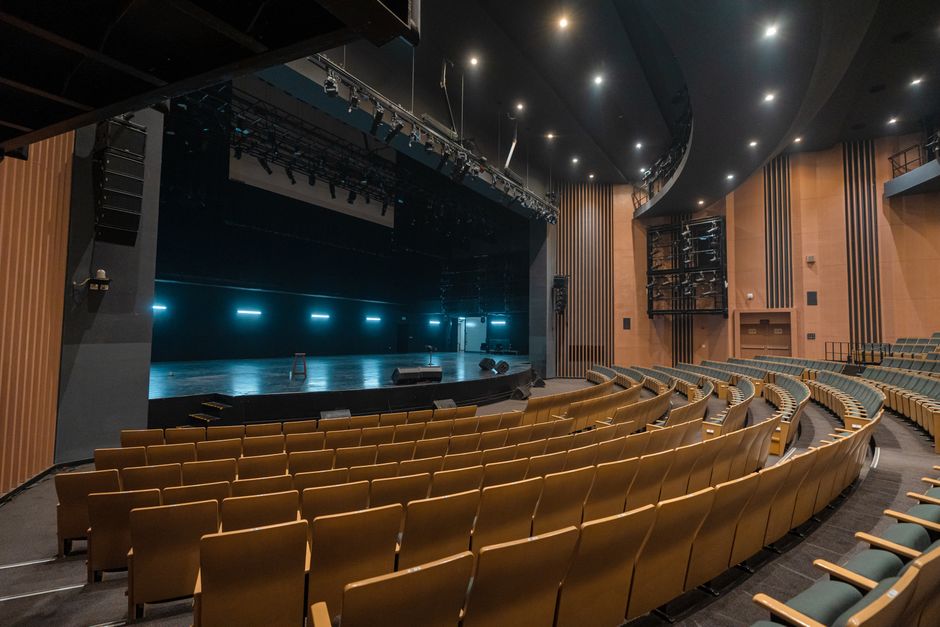
Architectural Acoustics & Lighting
Master Architectural Acoustics & Lighting in University - Architecture with this structured course, covering 8 modules and practice assessments.

Course Overview
Master Architectural Acoustics & Lighting in University - Architecture with this structured course, covering 8 modules and practice assessments. Curriculum Structure & Core Modules: • 1. Introduction to Architectural Acoustics & Lighting & Core Frameworks • 2. Theoretical...
What You'll Learn
- Understand and apply the principles of Principles of Architectural Acoustics
- Work confidently through Acoustic Design for Buildings and its practical applications
- Analyse real-world scenarios involving Principles of Architectural Lighting
- Develop applied skills in Daylighting Design Strategies
- Critically evaluate approaches to Artificial Lighting Design
Requirements
- Prior coursework or practical experience in University - Architecture is recommended before starting this course
- A computer, tablet or smartphone with a stable internet connection
- Willingness to commit regular study time to complete lessons, quizzes and assignments
Degree Programme Curriculum Context
This course is a curriculum unit of the M.Sc. Architecture degree framework in Nigeria.
Earn Your Certificate
Showcase your skills with a certificate! Complete the course, submit your project, and earn your certificate. Here's a sample of what you'll receive to show off your accomplishments.

Lecture Board & Syllabus
Course Curriculum
Browse complete theoretical foundations, worked calculations, laboratory protocols, and board assessment questions under each topic.
8 Chapters
•24 Lecture
•0s
Subtopic 1Document Lecture
Introduction to Architectural Acoustics & Lighting & Core Frameworks - Concept Explanation & Foundations
Master of Science (M.Sc.) Architecture Chapter 1 Wave Physics of Sound and Light: Fundamental Radiative Phenomena in Enclosed Spaces Course: Architectural Acoustics & Lighting 1. Theoretical Foundation & Core Concepts At the postgraduate level of architectural inquiry, scholarly analysis demands rigorous integration of theoretical paradigms, empirical evidence, and critical spatial discourse.T...
Module 1 • Subtopic 1
Subtopic 2Document Lecture
Introduction to Architectural Acoustics & Lighting & Core Frameworks - Worked Examples & Case Analysis
Master of Science (M.Sc.) Architecture Chapter 1 Psychophysics of Human Perception: Decibels, Phon, Sone, Lumens, Lux, and Candela Course: Architectural Acoustics & Lighting 1. Theoretical Foundation & Core Concepts Master of Science candidates in architecture must evaluate systemic interrelationships between spatial form, societal dynamics, and complex technological systems.Human perceptual s...
Module 1 • Subtopic 2
Subtopic 3Document Lecture
Introduction to Architectural Acoustics & Lighting & Core Frameworks - Practice Questions & Exercises
Master of Science (M.Sc.) Architecture Chapter 1 Regulatory Acoustic Criteria and Illuminance Benchmarks for Built Environments Course: Architectural Acoustics & Lighting 1. Theoretical Foundation & Core Concepts Advanced architectural research interrogates the ontological and epistemological assumptions that underpin contemporary built environment design methodologies.Architectural spaces mus...
Module 1 • Subtopic 3
Subtopic 1Document Lecture
Theoretical Foundations & Foundational Models of Architectural Acoustics & Lighting - Concept Explanation & Foundations
Master of Science (M.Sc.) Architecture Chapter 2 Geometrical Room Acoustics: Specular Reflection, Flutter Echoes, and Ray Tracing Course: Architectural Acoustics & Lighting 1. Theoretical Foundation & Core Concepts Engaging with the discipline at the master's echelon requires interrogating historical trajectories, regulatory mandates, and emergent computational paradigms.Geometrical room acous...
Module 2 • Subtopic 1
Subtopic 2Document Lecture
Theoretical Foundations & Foundational Models of Architectural Acoustics & Lighting - Worked Examples & Case Analysis
Master of Science (M.Sc.) Architecture Chapter 2 Wave Acoustic Theory: Room Modes, Standing Waves, and Low-Frequency Resonances Course: Architectural Acoustics & Lighting 1. Theoretical Foundation & Core Concepts Critical built-environment scholarship bridges theoretical postulations with quantitative performance metrics and qualitative socio-spatial dynamics.In small- to medium-sized enclosed...
Module 2 • Subtopic 2
Subtopic 3Document Lecture
Theoretical Foundations & Foundational Models of Architectural Acoustics & Lighting - Practice Questions & Exercises
Master of Science (M.Sc.) Architecture Chapter 2 Radiative Transfer and Photometric Distributions: Inverse Square Law and Cosine Law Course: Architectural Acoustics & Lighting 1. Theoretical Foundation & Core Concepts Postgraduate architectural analysis necessitates deconstructing orthodox design assumptions through interdisciplinary methodologies and empirical verification.Photometric enginee...
Module 2 • Subtopic 3
Subtopic 1Document Lecture
Advanced Concepts, Variables & Mechanics - Concept Explanation & Foundations
Master of Science (M.Sc.) Architecture Chapter 3 Reverberation Time Dynamics: Sabine, Eyring, and Millington Formulations Course: Architectural Acoustics & Lighting 1. Theoretical Foundation & Core Concepts The advanced study of architectural systems investigates how spatial configuration, materiality, and environmental mechanics synthesize into coherent built form.Reverberation time (RT60)—th...
Module 3 • Subtopic 1
Subtopic 2Document Lecture
Advanced Concepts, Variables & Mechanics - Worked Examples & Case Analysis
Master of Science (M.Sc.) Architecture Chapter 3 Sound Absorption, Reflection, and Diffusion: Materials, Porosity, and Form Course: Architectural Acoustics & Lighting 1. Theoretical Foundation & Core Concepts Master's-level research in architecture explores the convergence of cutting-edge design theory, socio-political agency, and ecological resilience.Architectural surfaces modulate sound ene...
Module 3 • Subtopic 2
Subtopic 3Document Lecture
Advanced Concepts, Variables & Mechanics - Practice Questions & Exercises
Master of Science (M.Sc.) Architecture Chapter 3 Daylight Metrics: Daylight Factor (DF), Spatial Daylight Autonomy (sDA), and Useful Daylight Illuminance (UDI) Course: Architectural Acoustics & Lighting 1. Theoretical Foundation & Core Concepts Methodological rigor at the master's tier requires evaluating both quantitative empirical data and qualitative phenomenological spatial experiences.The...
Module 3 • Subtopic 3
Subtopic 1Document Lecture
Methodological Approaches & System Analysis - Concept Explanation & Foundations
Master of Science (M.Sc.) Architecture Chapter 4 Computational Acoustic Simulation: Ray Tracing, Image Source Method, and Auralization Course: Architectural Acoustics & Lighting 1. Theoretical Foundation & Core Concepts The intellectual maturation of the architect-scholar requires navigating competing design theoretical perspectives and robust critical debates.Modern architectural acoustic eng...
Module 4 • Subtopic 1
Formative Assessment10 Points • 15 Mins
Mid-Course Progress Assessment
Assessment Protocol:10 Total Points•70% Passing Threshold•15 Mins Time Limit•Bloom's Taxonomy: Analyze & Evaluate
Test your knowledge of Daylighting Design Strategies
Module 4 • Formative Assessment
Subtopic 3Document Lecture
Methodological Approaches & System Analysis - Worked Examples & Case Analysis
Master of Science (M.Sc.) Architecture Chapter 4 Radiosity and Backward Ray-Tracing Algorithms in Computational Daylighting Course: Architectural Acoustics & Lighting 1. Theoretical Foundation & Core Concepts Advanced architectural synthesis integrates complex multi-criteria optimization, regulatory compliance, and speculative socio-spatial design strategies.Computational daylight modeling dep...
Module 4 • Subtopic 3
Subtopic 4Document Lecture
Methodological Approaches & System Analysis - Practice Questions & Exercises
Master of Science (M.Sc.) Architecture Chapter 4 Acoustic Airborne and Impact Sound Isolation: Transmission Loss (TL) and STC/IIC Ratings Course: Architectural Acoustics & Lighting 1. Theoretical Foundation & Core Concepts Postgraduate architectural discourse critically examines how physical built interventions shape human behavior, collective memory, and ecological vitality.Acoustic comfort r...
Module 4 • Subtopic 4
Subtopic 1Document Lecture
Analytical Case Studies & Research Applications - Concept Explanation & Foundations
Master of Science (M.Sc.) Architecture Chapter 5 Concert Hall and Auditorium Acoustic Design: Lateral Energy Fraction and Clarity (C80) Course: Architectural Acoustics & Lighting 1. Theoretical Foundation & Core Concepts Scholarly investigation into architectural morphology reveals how ideological, technological, and socio-economic forces are codified in the built landscape.The design of world...
Module 5 • Subtopic 1
Subtopic 2Document Lecture
Analytical Case Studies & Research Applications - Worked Examples & Case Analysis
Master of Science (M.Sc.) Architecture Chapter 5 Daylighting and Shading Systems for High-Performance Workspaces: Glare Metrics (DGP) Course: Architectural Acoustics & Lighting 1. Theoretical Foundation & Core Concepts At this advanced stage of professional and academic specialization, architects must interrogate the ethical dimensions and societal implications of built infrastructure.While na...
Module 5 • Subtopic 2
Subtopic 3Document Lecture
Analytical Case Studies & Research Applications - Practice Questions & Exercises
Master of Science (M.Sc.) Architecture Chapter 5 Healthcare Facility Acoustics and Circadian Lighting: Sleep Recovery and Well-being Course: Architectural Acoustics & Lighting 1. Theoretical Foundation & Core Concepts Advanced architectural research bridges laboratory experimentation, computational simulation, and field-based physical building diagnostics.Indoor environmental physics directly...
Module 5 • Subtopic 3
Subtopic 4Open Access~3 min read
Mid-Semester Case Study & Research Paper
Sign in or enroll to access the full lecture notes and interactive reader.
Module 5 • Subtopic 4•122 characters of authentic academic content
Subtopic 1Document Lecture
Strategic Implementation & Policy Implications - Concept Explanation & Foundations
Master of Science (M.Sc.) Architecture Chapter 6 Mechanical Systems Noise Control: Duct Silencers, Vibration Isolators, and NC Ratings Course: Architectural Acoustics & Lighting 1. Theoretical Foundation & Core Concepts The rigorous critique of contemporary architectural typologies demands examining historical precedents alongside transformative future urban pressures.Heating, Ventilation, and...
Module 6 • Subtopic 1
Subtopic 2Document Lecture
Strategic Implementation & Policy Implications - Worked Examples & Case Analysis
Master of Science (M.Sc.) Architecture Chapter 6 Integration of Artificial Lighting Controls: Daylight Harvesting, DALI, and Sensor Arrays Course: Architectural Acoustics & Lighting 1. Theoretical Foundation & Core Concepts Postgraduate inquiry within the architectural discipline requires synthesizing advanced structural capabilities with ecological regenerative imperatives.Modern energy codes...
Module 6 • Subtopic 2
Subtopic 3Document Lecture
Strategic Implementation & Policy Implications - Practice Questions & Exercises
Master of Science (M.Sc.) Architecture Chapter 6 Solid-State LED Engineering: Color Temperature (CCT), Color Rendering Index (CRI), and TM-30 Course: Architectural Acoustics & Lighting 1. Theoretical Foundation & Core Concepts The theoretical framework of advanced architectural design interrogates the boundary between material craftsmanship and digital parametric computation.Solid-state Light...
Module 6 • Subtopic 3
Subtopic 1Document Lecture
Comparative Perspectives & Modern Theories of Architectural Acoustics & Lighting - Concept Explanation & Foundations
Master of Science (M.Sc.) Architecture Chapter 7 Variable Physical Acoustic vs. Active Electro-Acoustic Electronic Architecture Course: Architectural Acoustics & Lighting 1. Theoretical Foundation & Core Concepts Master's-level architectural scholarship examines how spatial policy, municipal governance, and real estate economics govern physical territorial production.Multipurpose performance h...
Module 7 • Subtopic 1
Subtopic 2Document Lecture
Comparative Perspectives & Modern Theories of Architectural Acoustics & Lighting - Worked Examples & Case Analysis
Master of Science (M.Sc.) Architecture Chapter 7 Circadian Lighting Design: Melanopic Lux, Suprachiasmatic Nucleus, and Human Performance Course: Architectural Acoustics & Lighting 1. Theoretical Foundation & Core Concepts Engaging with advanced environmental systems requires modeling complex thermodynamic, acoustic, and luminous flows through digital simulations.Circadian lighting science inv...
Module 7 • Subtopic 2
Subtopic 3Document Lecture
Comparative Perspectives & Modern Theories of Architectural Acoustics & Lighting - Practice Questions & Exercises
Master of Science (M.Sc.) Architecture Chapter 7 Acoustic Ecology, Urban Soundscapes, and Bio-Inspired Sonic Buffering Course: Architectural Acoustics & Lighting 1. Theoretical Foundation & Core Concepts Critical analysis of institutional architecture requires unpacking the institutional power dynamics and ideological narratives embedded within physical enclosures.Acoustic ecology moves beyond...
Module 7 • Subtopic 3
Subtopic 1Document Lecture
Synthesis, Future Trends & Final Review - Concept Explanation & Foundations
Master of Science (M.Sc.) Architecture Chapter 8 Holistic Environmental Physics: Synthesizing Acoustic, Luminous, and Thermal Comfort Course: Architectural Acoustics & Lighting 1. Theoretical Foundation & Core Concepts The investigation of architectural tectonics at the master's tier demands evaluating material lifecycle performance and embodied environmental impacts.Holistic indoor environmen...
Module 8 • Subtopic 1
Formative Assessment10 Points • 15 Mins
Comprehensive End-of-Course Examination
Assessment Protocol:10 Total Points•70% Passing Threshold•15 Mins Time Limit•Bloom's Taxonomy: Analyze & Evaluate
Test your knowledge of Acoustic and Lighting Case Studies
Module 8 • Formative Assessment
Subtopic 3Document Lecture
Synthesis, Future Trends & Final Review - Worked Examples & Case Analysis
Master of Science (M.Sc.) Architecture Chapter 8 Parametric Acoustic Diffusers and Non-Standard Algorithmic Lighting Envelopes Course: Architectural Acoustics & Lighting 1. Theoretical Foundation & Core Concepts Advanced spatial scholarship challenges conventional stylistic categorizations to reveal underlying socio-technical and cultural determinants of space.Parametric computation and digita...
Module 8 • Subtopic 3
Subtopic 4Document Lecture
Synthesis, Future Trends & Final Review - Practice Questions & Exercises
Master of Science (M.Sc.) Architecture Chapter 8 Advanced Post-Occupancy Verification and Commissioning Protocols for Sound and Light Course: Architectural Acoustics & Lighting 1. Theoretical Foundation & Core Concepts The culmination of master's-level architectural education integrates original empirical inquiry, theoretical clarity, and visionary design leadership.The final lifecycle stage o...
Module 8 • Subtopic 4
Academic Ecosystem & Connected Pathways
Deepen your studies across connected learning pathways in the PAMCET academic network:
Digital Research Library16,000+ open-access monographs & textbooks
Structured Learning PathsCurated multi-course career specializations
WAEC / SSCE Examination HubComplete secondary school syllabus & mock tests
JAMB / UTME PreparationComputer-based tests & scoring analytics
Tertiary & University Hub100L - 400L degree benchmark modules
Credential Verification PortalInstant cryptographic certificate authentication
Instructor
PAMCET Learning Team
Institutional Course Curation · PAMCET
Qualifications:
PAMCET Learning Team — Institutional Course Curation, Digitpen Hub LtdMy Skills:
- Curriculum Curation
- Course Content Review
- Learning Outcome Design
- Course Publishing & Quality Assurance
- Platform Content Operations
Reviews
No reviews available
Free$34.99100% Off
Certificate available separately for $7 after completionCourse Includes
8 Chapters
24 Lectures
1 week
Skill Level advanced
Taught in English
Lifetime Access
Certification of Completion
Category: University - Architecture
Share On
Download Syllabus & Study Guide
Receive the full lecture syllabus, reading list, and milestone schedule for Architectural Acoustics & Lighting.
By submitting, you agree to receive educational updates. You can unsubscribe anytime. Read our Privacy Policy.